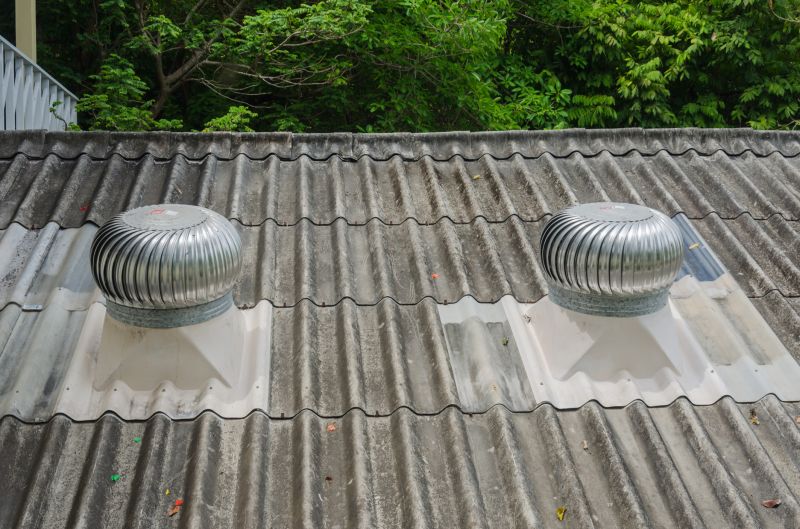
Roof Ventilator Repair in Prescott Valley, AZ
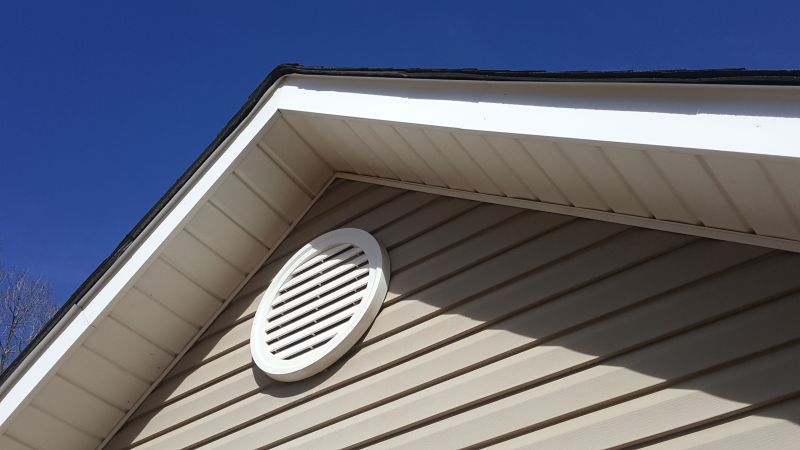
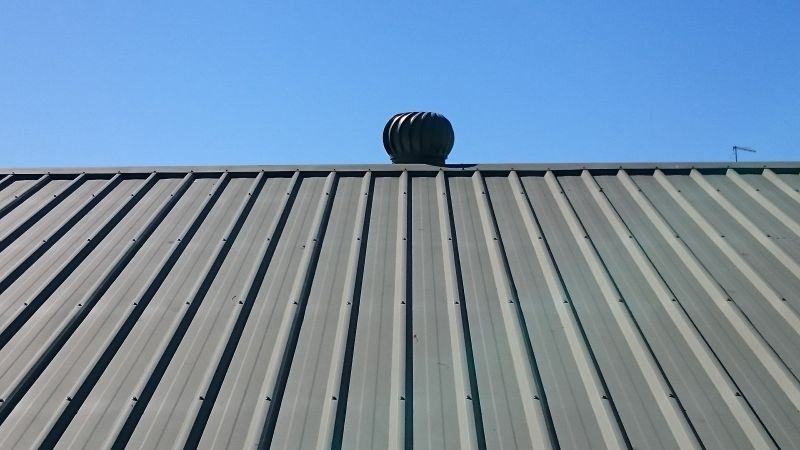
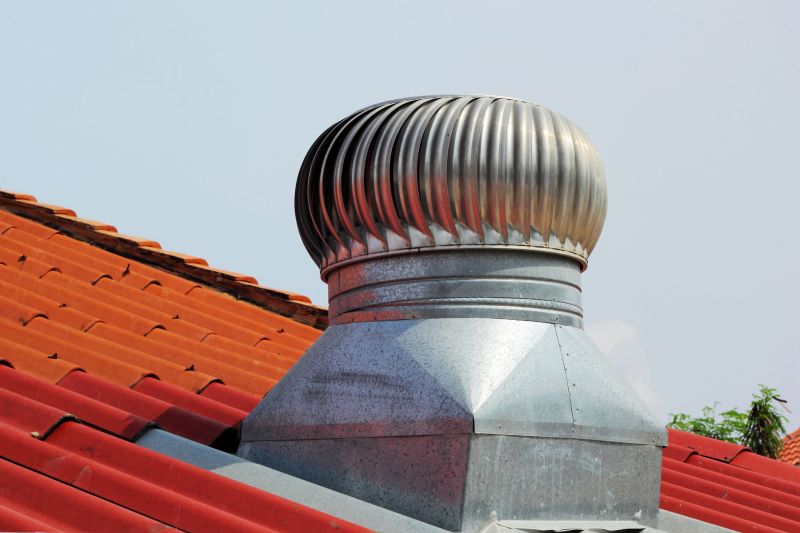
Roof ventilator repair services focus on maintaining the proper function of roof-mounted ventilation systems that help regulate airflow and temperature within a property. These services typically cover repairs for various types of roof vents, including turbine vents, attic fans, soffit vents, and ridge vents. Property owners often seek repairs when vents become noisy, stop working, or show signs of damage such as cracks, rust, or blockages, which can impact energy efficiency and indoor comfort.
Before requesting roof ventilator repair, homeowners usually want to understand the cause of the issue, the extent of any damage, and the potential impact on their home’s ventilation and energy costs. It’s also helpful to know if repairs will restore proper airflow and prevent further problems like moisture buildup or heat accumulation. Clear communication about the condition of existing vents and any necessary replacement parts can assist property owners in making informed decisions about their roof ventilation needs.
Many property owners in Prescott Valley, AZ look into Roof Ventilator Repair for repairs, replacements, upgrades, and appearance-related improvements.
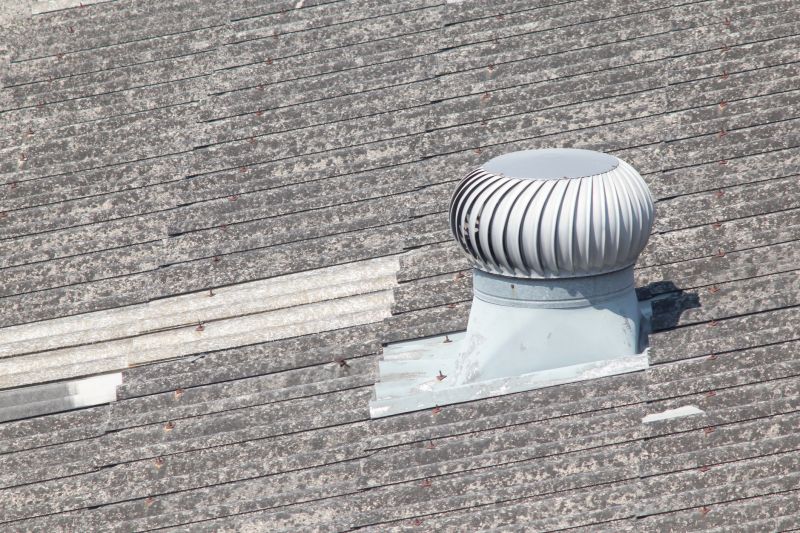
Common Roof Ventilator Issues
Problems like noise, leaks, or poor airflow can indicate the need for repair.
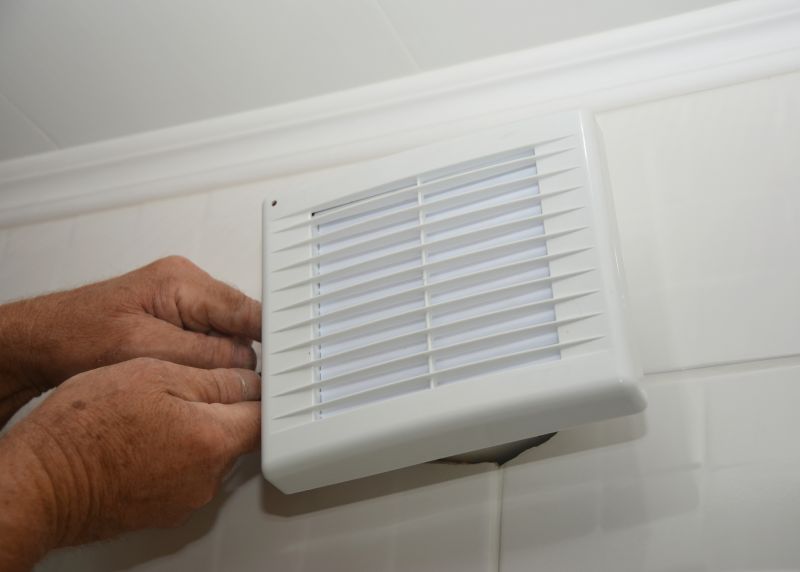
Signs Of Ventilator Malfunction
Inconsistent attic temperature or increased energy bills may suggest vent problems.
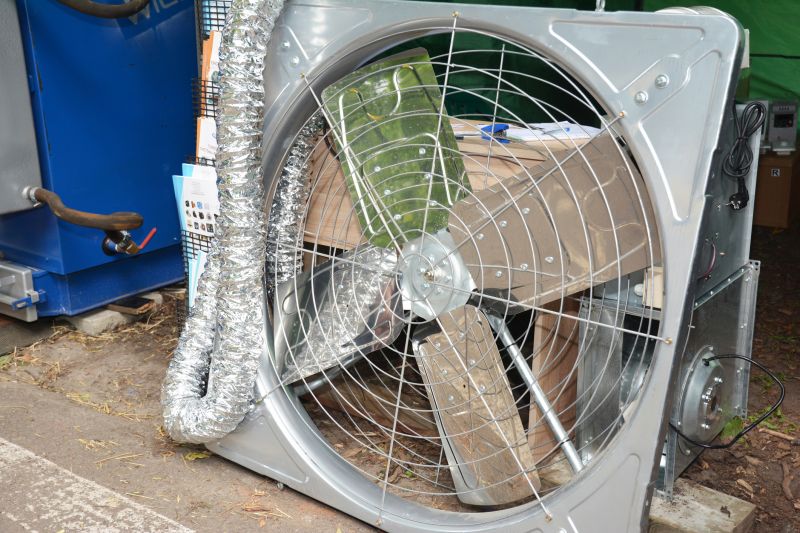
Repair And Maintenance Tips
Regular inspections help ensure roof ventilators operate efficiently and prevent damage.
Roof Ventilator Repair in Prescott Valley, AZ

Roof ventilator repair services focus on maintaining the proper function of roof-mounted ventilation systems that help regulate airflow and temperature within a property. These services typically cover repairs for various types of roof vents, including turbine vents, attic fans, soffit vents, and ridge vents. Property owners often seek repairs when vents become noisy, stop working, or show signs of damage such as cracks, rust, or blockages, which can impact energy efficiency and indoor comfort.
Before requesting roof ventilator repair, homeowners usually want to understand the cause of the issue, the extent of any damage, and the potential impact on their home’s ventilation and energy costs. It’s also helpful to know if repairs will restore proper airflow and prevent further problems like moisture buildup or heat accumulation. Clear communication about the condition of existing vents and any necessary replacement parts can assist property owners in making informed decisions about their roof ventilation needs.
Many property owners in Prescott Valley, AZ look into Roof Ventilator Repair for repairs, replacements, upgrades, and appearance-related improvements.
Common Roof Ventilator Repair Jobs
Roof Ventilator Repair - Restores proper airflow and ventilation to prevent moisture buildup.
Roof Ventilator Replacement - Upgrades outdated or damaged units to improve attic airflow.
Leaking Ventilator Fixes - Seals leaks to prevent water intrusion and property damage.
Broken Ventilator Repairs - Restores function after mechanical failure or physical damage.
Vents Not Operating - Diagnoses and repairs issues causing ventilation system shutdowns.
Corrosion and Rust Repair - Treats and prevents rust to extend the lifespan of roof vents.
Roof Ventilator Repair Questions
What are common signs of a faulty roof ventilator? Signs include unusual attic heat, increased energy bills, and persistent moisture or mold issues.
Why is roof ventilator repair important? Repairing ensures proper airflow, prevents damage to roofing components, and maintains energy efficiency.
What types of roof ventilator issues can be fixed? Common problems include broken or damaged blades, faulty motors, and blocked or clogged vents.
How can property owners prevent roof ventilator problems? Regular inspections and prompt repairs help maintain proper ventilation and extend the lifespan of the system.
Request Roof Ventilator Repair in Prescott Valley, AZ
Use the quote form on this page to share the basics of your project and request more information for the type of work you need.